
Benefits of Using 3PL Warehousing Services for Growing Businesses
August 13, 2026
Benefits of Using 3PL Warehousing Services for Growing Businesses
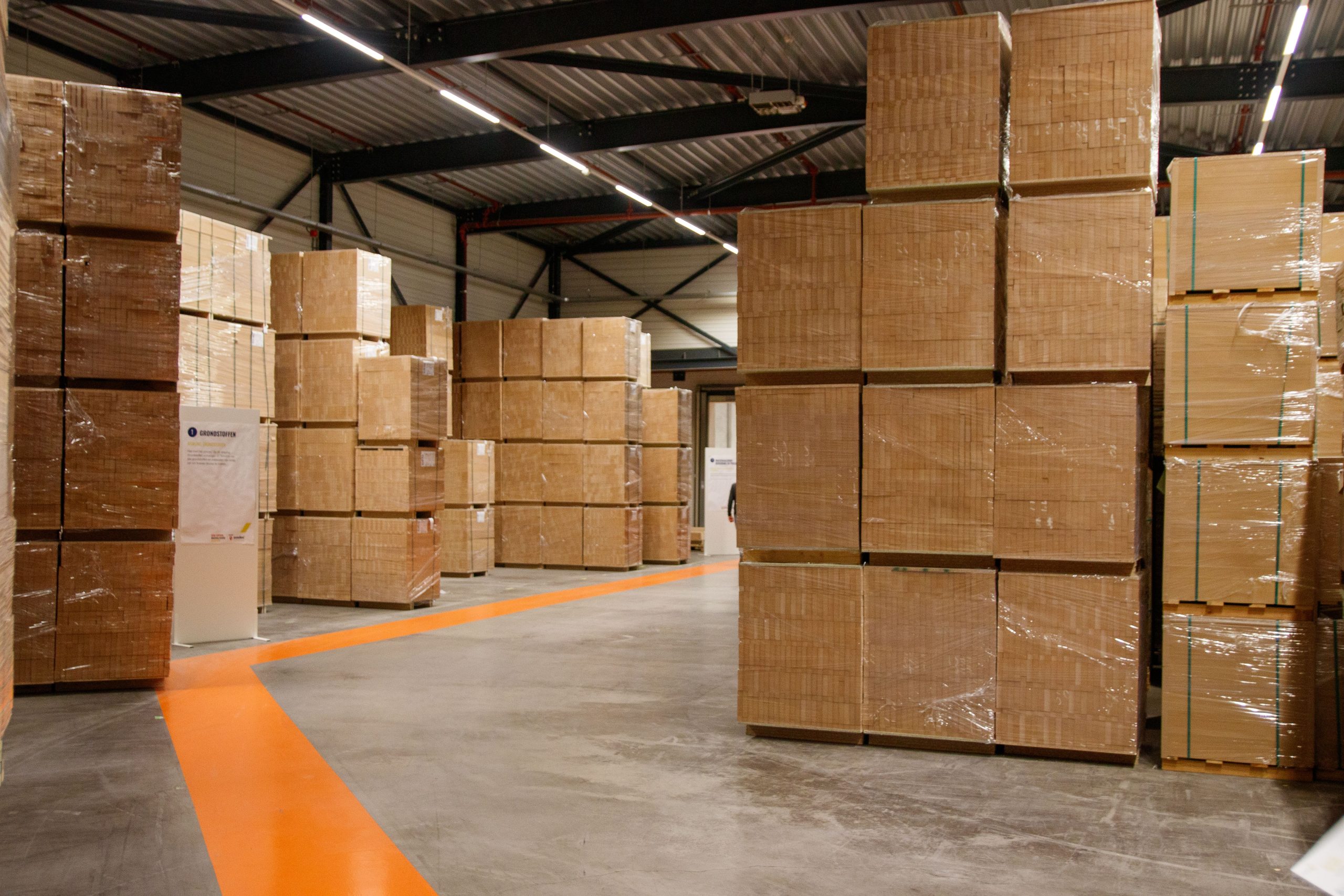
A business does not outgrow its warehouse only when every rack is full. The warning signs appear earlier. Dispatch teams work late, fast-moving products are stored wherever space is available, inventory reports stop matching physical stock and managers spend more time tracing delayed orders than planning growth.
Leasing another warehouse may appear to be the obvious solution. However, another facility also requires a long-term rental commitment, racking, equipment, technology, manpower and transport coordination.
This is where 3PL warehousing services can help. A third-party logistics partner provides the infrastructure, systems and operating team needed to store inventory, fulfil orders and support distribution. The following seven benefits explain where this model creates practical value.
Growth is rarely predictable. A company may require additional space during a festive period, product launch or regional expansion without needing it throughout the year.
A shared 3PL warehouse allows businesses to use professionally managed infrastructure without funding an entire facility. Space, manpower and handling resources can be aligned with agreed inventory and activity levels.
CWLS provides shared, dedicated and in-plant warehousing solutions. A shared model can support flexible demand, while a dedicated facility may suit larger, stable or specialised operations.
A central warehouse may work while most customers are within one region. As demand spreads across India, the same setup can increase delivery times and freight costs.
A multi-location 3PL can place fast-moving inventory closer to the markets where it is ordered most frequently. Slower products can remain consolidated at fewer locations to avoid spreading stock too thinly.
CWLS operates across major logistics hubs, including Bhiwandi, Pune, Ahmedabad, Gurugram, Chennai, Hyderabad, Kolkata, Guwahati and Patna. Businesses can use this multi-city warehousing network without independently creating every regional warehouse.
The decision still needs data. A new inventory node makes sense only when improvements in delivery time, transport cost and service level justify the additional stock held there.
Many fulfilment problems begin with one question: how much saleable inventory is actually available?
A report may show 500 units, but some may already be allocated, damaged, returned or stored in the wrong location. When sales, procurement and warehouse teams work with different numbers, the business may accept orders it cannot fulfil.
The best 3PL companies in India should provide a reliable view of receipts, stock positions, allocations, orders and dispatches.
CWLS uses warehouse management system integration, barcode and RFID-enabled tracking, cycle counts, inventory analytics and control-tower reporting. FMCG and pharmaceutical businesses may need batch and expiry tracking, while automotive and engineering clients may require serial-number or spare-parts visibility.
Festive demand, marketplace campaigns, end-of-season sales and distributor month-end orders can create sudden increases in inventory and dispatch volumes.
A company that designs its warehouse around the busiest week may pay for unused capacity during quieter months. One that plans only for average demand may struggle when sales are strongest.
A 3PL can prepare through additional labour, storage, picking stations, packing capacity and transport coordination.
However, the client must share promotional calendars, expected order volumes and stock-arrival plans early. A 3PL cannot build an effective peak plan after orders have already accumulated.
Customers may never see the warehouse, but they experience its performance.
They notice when the wrong item arrives, an available product is cancelled, packaging fails or a return takes too long. As orders grow, small operational weaknesses become larger customer-service problems.
Reliable fulfilment requires receiving checks, storage rules, picking methods, packing standards, dispatch cut-offs and measurable service levels.
CWLS connects warehousing with pick-and-pack fulfilment, transportation, last-mile delivery and reverse logistics services. Returned products can be inspected, graded, repacked, repaired, restocked or disposed of according to the agreed process.
This connected workflow reduces the risk of an order moving between vendors without clear accountability.
Growing businesses often require more than basic storage.
An e-commerce brand may need marketplace labelling and order-level packing. A retailer may require promotional bundles. Automotive companies may need spare-parts management. Food, FMCG and pharmaceutical businesses may require batch or expiry controls.
CWLS supports value-added services such as kitting, assembly, custom labelling, repacking and product-specific handling. It works across automotive, FMCG, FMCD, retail, e-commerce, pharmaceutical, manufacturing, food and beverage, apparel, engineering, paints and lubricants.
The benefit is access to processes designed for the product instead of treating every carton or pallet in the same way.
“Focus on your core business” is often used loosely. The practical benefit is more specific.
Senior managers should not spend every morning locating delayed orders, arranging emergency vehicles, recruiting temporary labour, checking returns or resolving inventory differences.
A capable 3PL provides an operating team, agreed service levels, reporting and a defined escalation structure. The client remains responsible for forecasts, product data, sales commitments and business priorities, but management no longer needs to solve every warehouse incident directly.
CWLS can connect warehousing, fulfilment, transportation, last-mile delivery, reverse logistics and in-plant operations. Fewer handovers also mean clearer responsibility when an exception occurs.
Outsourcing is not automatically suitable for every company.
A business with low, stable volumes and an efficient existing facility may not need a 3PL. Highly specialised products may require a controlled environment that a shared warehouse cannot support.
A 3PL also cannot correct inaccurate SKU data, unclear packaging standards, poor forecasts or unrealistic delivery promises. Before migration, opening stock must be counted, systems reconciled and operating procedures agreed.
A credible provider should identify these limitations before recommending a model.
Businesses comparing 3PL service providers in India should look beyond the lowest storage rate.
Ask which location best serves the order pattern, whether shared or dedicated warehousing is appropriate and how inventory will be reconciled. Review WMS or ERP integration, order accuracy, dispatch cut-offs, peak capacity, returns handling, value-added services, transport coordination and pricing as volumes change.
The top 3PL companies in India should also ask detailed questions about SKU dimensions, pallet positions, channel mix, monthly order lines, return rates and delivery destinations. A quotation prepared without these inputs may price space, but it does not yet solve the logistics problem.
CWLS begins by understanding where the present supply chain is restricting growth. The solution may involve shared capacity, a dedicated warehouse, an in-plant operation or inventory positioned across regional hubs.
Growing businesses do not always need to outsource every logistics activity at once. They need to identify the bottleneck limiting the next stage of growth and determine whether a specialist partner can remove it more effectively.
Businesses evaluating 3PL warehousing services can share their product category, current locations, inventory profile, monthly order volumes and expansion plans through the CWLS contact page.
This allows our team to recommend an operating model based on the actual requirement rather than available warehouse space alone.