
How Third Party Logistics Companies in India Manage Warehousing, Distribution and Fulfillment
August 27, 2026
How Third Party Logistics Companies in India Manage Warehousing, Distribution and Fulfillment
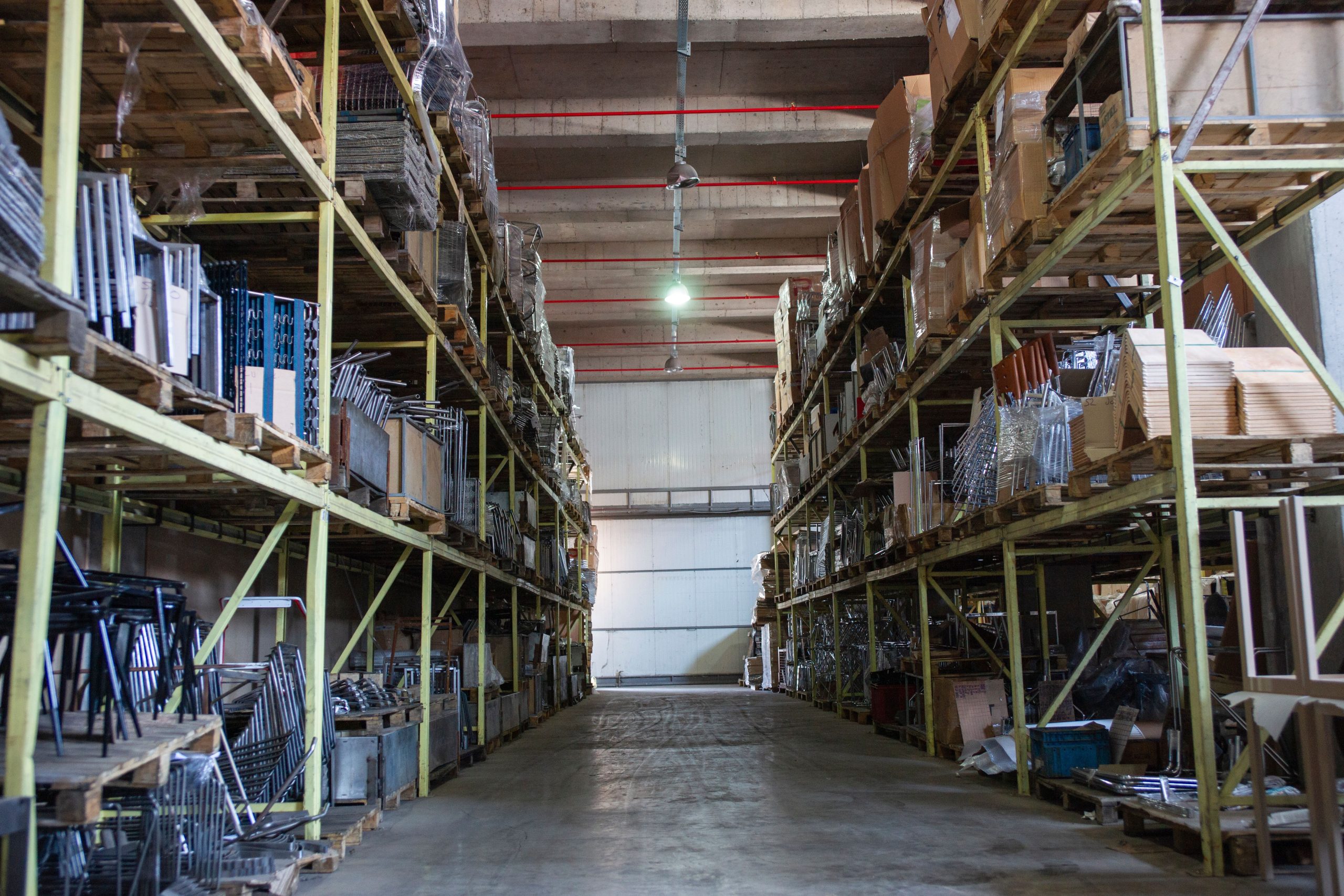
A warehouse can have excellent inventory accuracy and still miss customer deliveries. A fulfillment team can pick every order correctly and still lose time waiting for transport. A distribution network can run efficiently and still fail if the right stock is sitting in the wrong location.
That is why third-party logistics is not simply a collection of warehousing, transportation and fulfillment services. The real job is making these functions work as one operation.
At Chowgule Warehousing & Logistics Services (CWLS), we work across this connected flow, from warehousing and inventory management to multi-channel fulfillment, distribution, last-mile delivery, in-plant logistics and returns. For businesses comparing third party logistics companies in India, this ability to manage the handoffs between functions can matter as much as the individual services themselves.
A third-party logistics provider manages selected logistics activities on behalf of another business. Depending on the requirement, this may include warehousing, inventory management, order fulfillment, transportation, distribution, reverse logistics and value-added services.
Some businesses use a 3PL for one part of the supply chain. Others need an integrated model covering several stages.
The important distinction is that effective 3PL services in India do more than move products from one activity to another. Information about the product has to move with it.
The warehouse needs to know what inventory is available. Fulfillment needs to know what can be allocated to an order. Transportation needs to know what will be ready for dispatch and when. Returns need to be assessed before stock can re-enter available inventory.
That connection is where a 3PL operation succeeds or breaks down.
Physical stock and available stock are not always the same thing.
A warehouse may physically contain 1,000 units of a product, but some may already be allocated to orders. Others may be awaiting inspection, returned by customers, damaged or held for another purpose.
This is why professional 3PL warehousing services begin with inventory control rather than simply storage.
At CWLS, our warehousing solutions include dedicated, shared and in-plant models supported by Warehouse Management System integration and inventory visibility.
Receiving, verification and put-away establish the foundation. Once goods enter the facility, quantities need to be recorded accurately and each SKU assigned to an appropriate location. The system must then continue reflecting what happens to that stock as orders are allocated, picked and dispatched.
If the first inventory record is wrong, every downstream decision starts with the wrong information.
Modern warehouse operations rarely process one type of order all day.
A consumer may order a single unit through an e-commerce platform. A retailer may need several cartons. A distributor may require a pallet. A manufacturing operation may need material supplied according to a production schedule.
The same inventory can therefore move through very different fulfillment journeys.
This is one reason 3PL warehousing and distribution cannot be designed around storage capacity alone. The warehouse layout, picking strategy, packaging requirements and dispatch processes have to reflect the order profiles being served.
Some products also need additional work before dispatch.
CWLS supports value-added activities such as kitting, packing, scanning, barcode printing and labelling. These services allow products to be prepared closer to where inventory is already stored instead of adding another operational handoff.
For example, several individual components may need to be combined into one promotional kit, or a product may require customer-specific labelling before shipment.
These are small steps when viewed individually. At scale, however, they can have a significant effect on fulfillment speed and accuracy.
It is easy to think of 3PL fulfillment as pick, pack and ship.
Operationally, it begins earlier.
When an order enters the system, inventory first has to be available and correctly allocated. Only then can the appropriate picking process begin.
The picking method may depend on SKU profile, order volume and channel. The picked goods then need to move through verification, packing, any required value-added work and dispatch preparation.
For businesses using multiple sales channels, this becomes more complex because different order types may be competing for the same stock.
A capable 3PL fulfillment company therefore needs to connect order information with inventory information in real time, rather than treating warehouse stock and customer orders as separate datasets.
At CWLS, our 3PL logistics services connect warehousing, inventory management, picking, packing, multi-channel fulfillment, transportation and returns within the wider supply-chain operation.
Distribution does not begin when a truck leaves the gate.
By then, several important decisions should already have been made.
Orders may need to be grouped by destination. Dispatch cut-off times need to be understood. Shipment sizes influence vehicle selection. Delivery priorities affect route planning. Documentation has to be ready before the vehicle is released.
When warehousing and transportation operate as disconnected functions, delays often appear at this exact handoff.
Inventory may be picked but not packed in time. A shipment may be ready but no suitable vehicle has been scheduled. Several orders going towards the same area may move separately when consolidation could have been more efficient.
This is why businesses evaluating 3PL warehouse companies in India should consider how warehouse operations connect to outbound distribution, not just how much storage space the provider can supply.
A correctly picked order is not necessarily an on-time order.
Fulfillment performance and transportation performance meet at dispatch.
If a vehicle is scheduled for a fixed departure window, the warehouse needs to work backwards from that point. Picking, verification, packing and documentation must all be completed before the cut-off.
This becomes especially important during seasonal peaks or high-volume periods. Increasing warehouse manpower alone does not solve the problem if outbound transport capacity and dispatch planning do not scale at the same time.
Strong 3PL service providers in India therefore manage the flow between functions, not merely the productivity of each department in isolation.
Once an order leaves the warehouse, the information should not disappear with the truck.
Distribution performance depends on knowing what was dispatched, where it is going and whether the delivery is progressing as expected.
CWLS’s last-mile delivery solutions include route optimisation, live tracking and estimated-time-of-arrival visibility.
These tools help connect the final stage of distribution with the earlier warehouse and fulfillment process.
This matters because a customer does not experience warehousing and transportation separately. They experience whether the right product arrived at the right place when expected.
The logistics flow can also reverse.
A product comes back into the warehouse, but that does not mean it should immediately return to saleable stock.
It may need inspection. Packaging may be damaged. A product may need repacking or repair. It may be usable but require a change in inventory status before it can be allocated again.
A structured reverse logistics process therefore links returns back to inventory management.
The typical flow may involve:
Return receipt → inspection → classification → repackaging, repair, restocking or other disposition.
This prevents returned stock from becoming inventory that physically exists but cannot be confidently used.
For businesses with significant return volumes, the reverse flow is not a secondary logistics activity. It directly affects available inventory, working capital and future fulfillment.
The more stages a 3PL manages, the more important visibility becomes.
Warehouse systems help control inventory and order movement inside the facility. Barcode and RFID technologies can support identification and tracking. Control-tower visibility can bring information from multiple parts of the operation together. Route optimisation and live tracking extend that visibility into distribution.
The objective is not technology for its own sake.
It is reducing the gap between what the system says is happening and what is physically happening.
For a client, that can mean clearer answers to operational questions:
Where is the inventory?
Has the order been allocated?
Has it been picked?
Is it ready for dispatch?
Has the shipment left?
What has come back?
Those answers become increasingly valuable as volumes, locations and sales channels grow.
Warehouse utilisation alone does not tell the full story.
A connected 3PL operation can be assessed through measures such as:
The most useful KPIs depend on the client’s business model, but the principle remains the same.
Warehousing, fulfillment and distribution should not be measured as completely separate islands. The metrics should show whether inventory is moving through the complete operation as intended.
CWLS operates a warehousing and logistics network across 18+ cities in India, supporting requirements across Automotive, FMCG, Pharmaceuticals, Retail, E-commerce, FMCD, Paints & Chemicals and other sectors.
Our capabilities include dedicated, shared and in-plant warehousing, WMS-supported inventory management, multi-channel fulfillment, kitting and labelling, transportation, route optimisation, last-mile delivery and reverse logistics.
For manufacturing operations, our scope can also extend inside the client’s facility through in-plant logistics, helping manage internal material movement alongside the wider warehousing and distribution network.
That integrated view is important when businesses compare 3PL companies in India.
The question is not simply whether a 3PL logistics company in India can store goods, pick orders or arrange transportation.
It is whether each function has the information and operational discipline needed to hand the product correctly to the next one.
Because warehousing, distribution and fulfillment may appear as three separate services on a logistics proposal.
To the supply chain, they are one continuous movement.